
Tarpaulins for Construction Sites: Essential Safety and Protection Tips
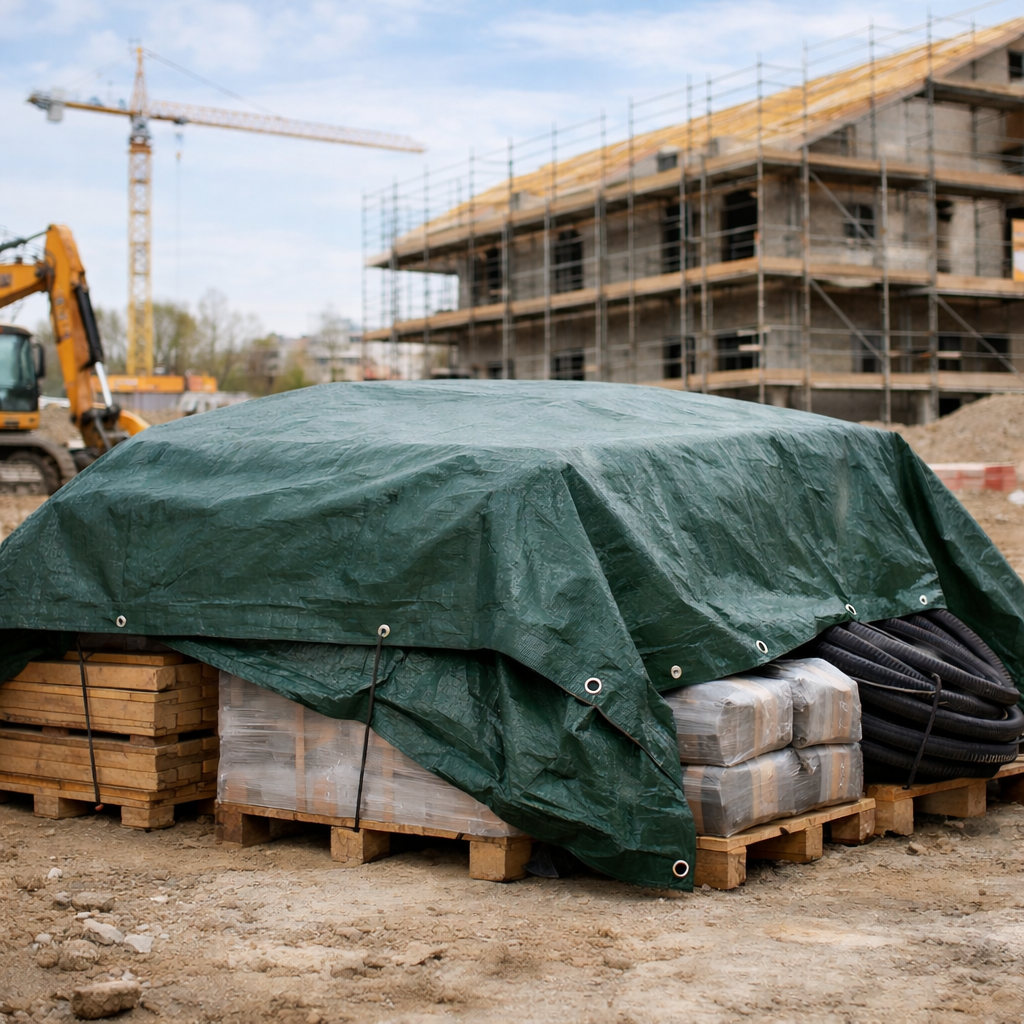
Construction sites are exposed environments where materials, equipment, and workers face constant challenges from weather and site conditions. In Ireland, rain, wind, and sudden changes in weather can quickly create safety risks and lead to costly delays. This is why tarpaulins remain one of the most practical and widely used protection solutions on building sites.
When used correctly, tarpaulins help protect materials, improve site safety, and support smoother day to day operations.
Why Tarpaulins Are Essential on Construction Sites
Tarpaulins provide fast, flexible protection where permanent solutions are not practical. They can be deployed quickly, adjusted easily, and reused throughout different stages of a project.
On construction sites, tarpaulins are commonly used to shield materials from rain, prevent debris from spreading, cover exposed structures, and create temporary barriers. Their versatility makes them an essential part of site safety and protection planning.
Protecting Materials and Equipment
Materials such as timber, insulation, cement, and plasterboard are highly vulnerable to moisture. Even brief exposure to rain can lead to warping, reduced strength, or complete material loss.
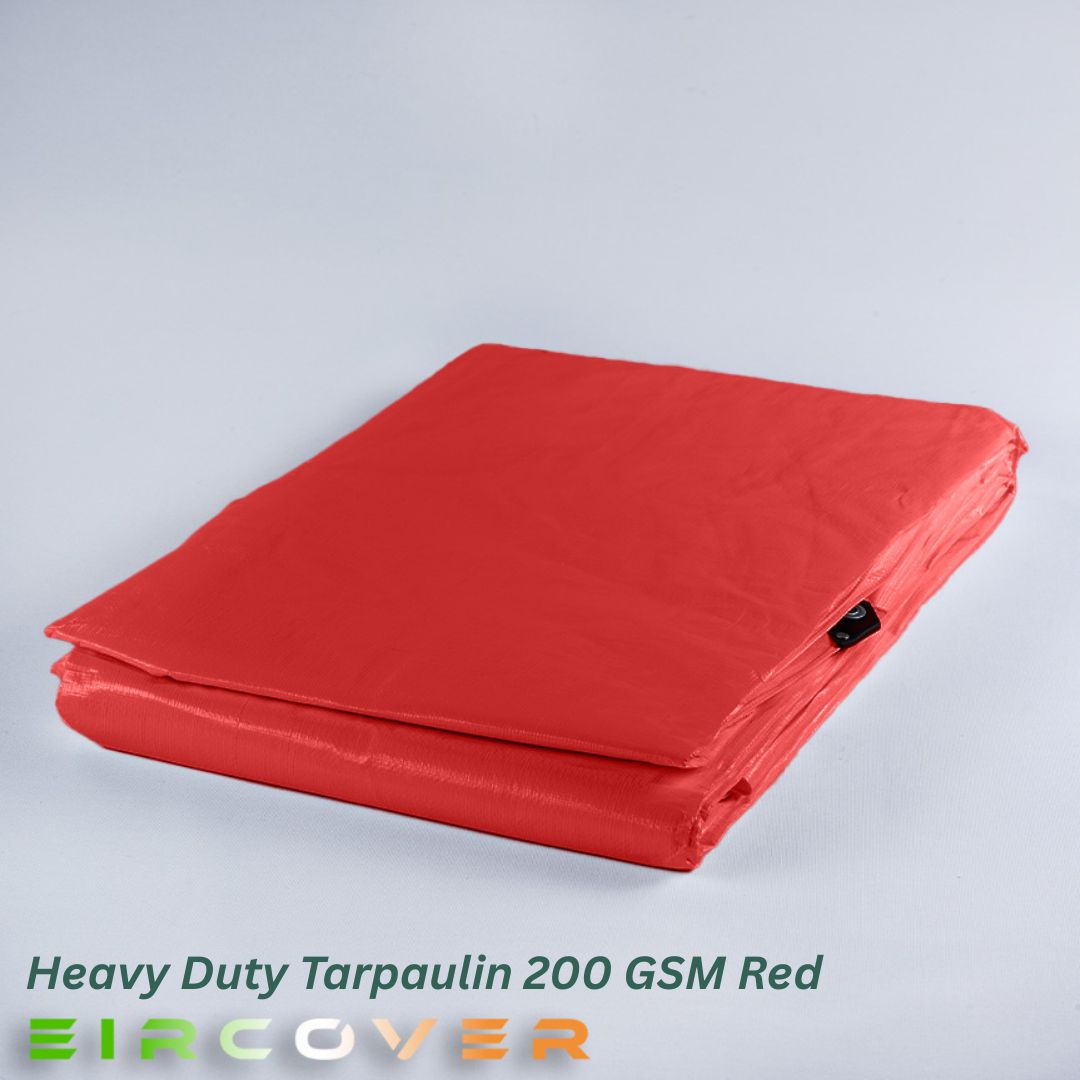
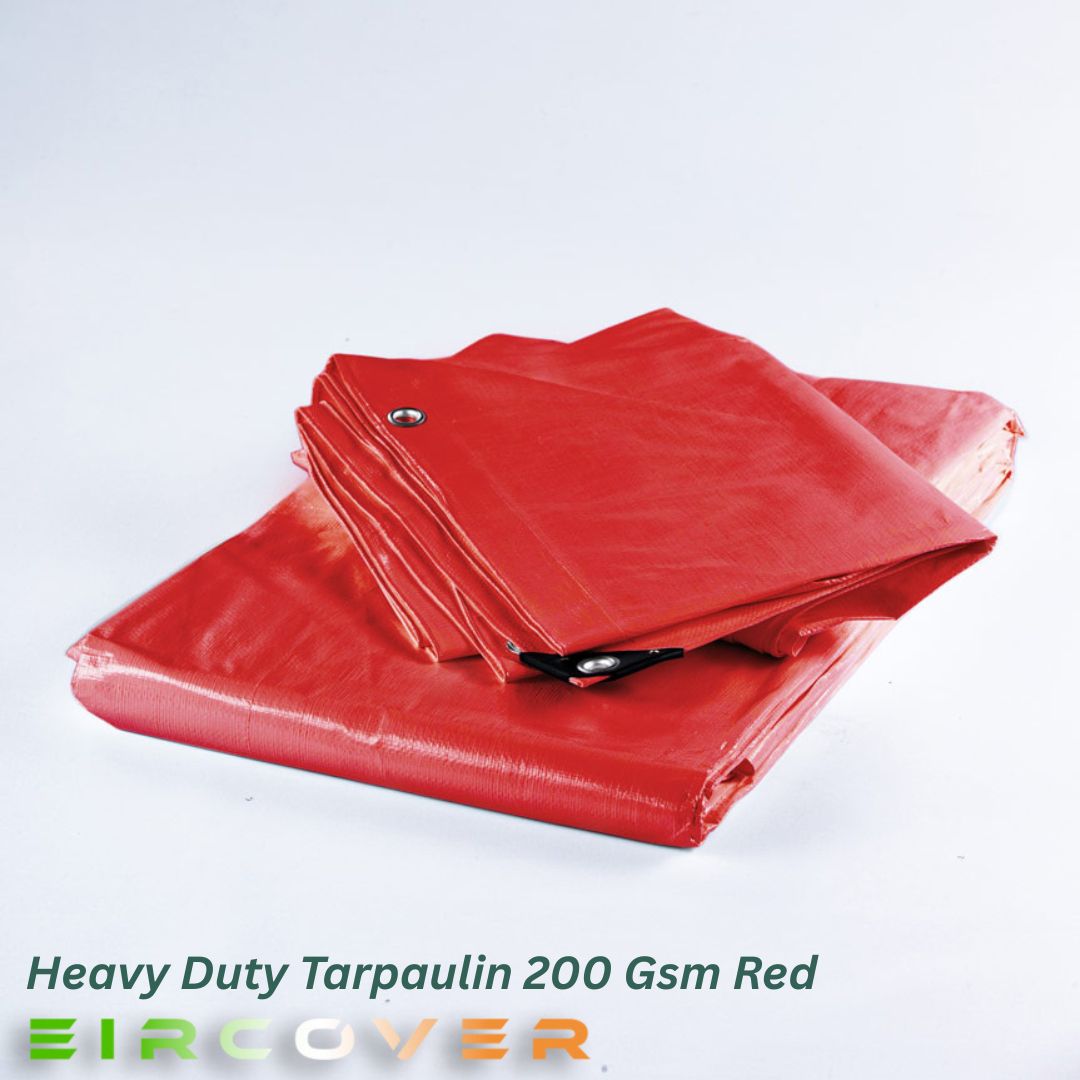
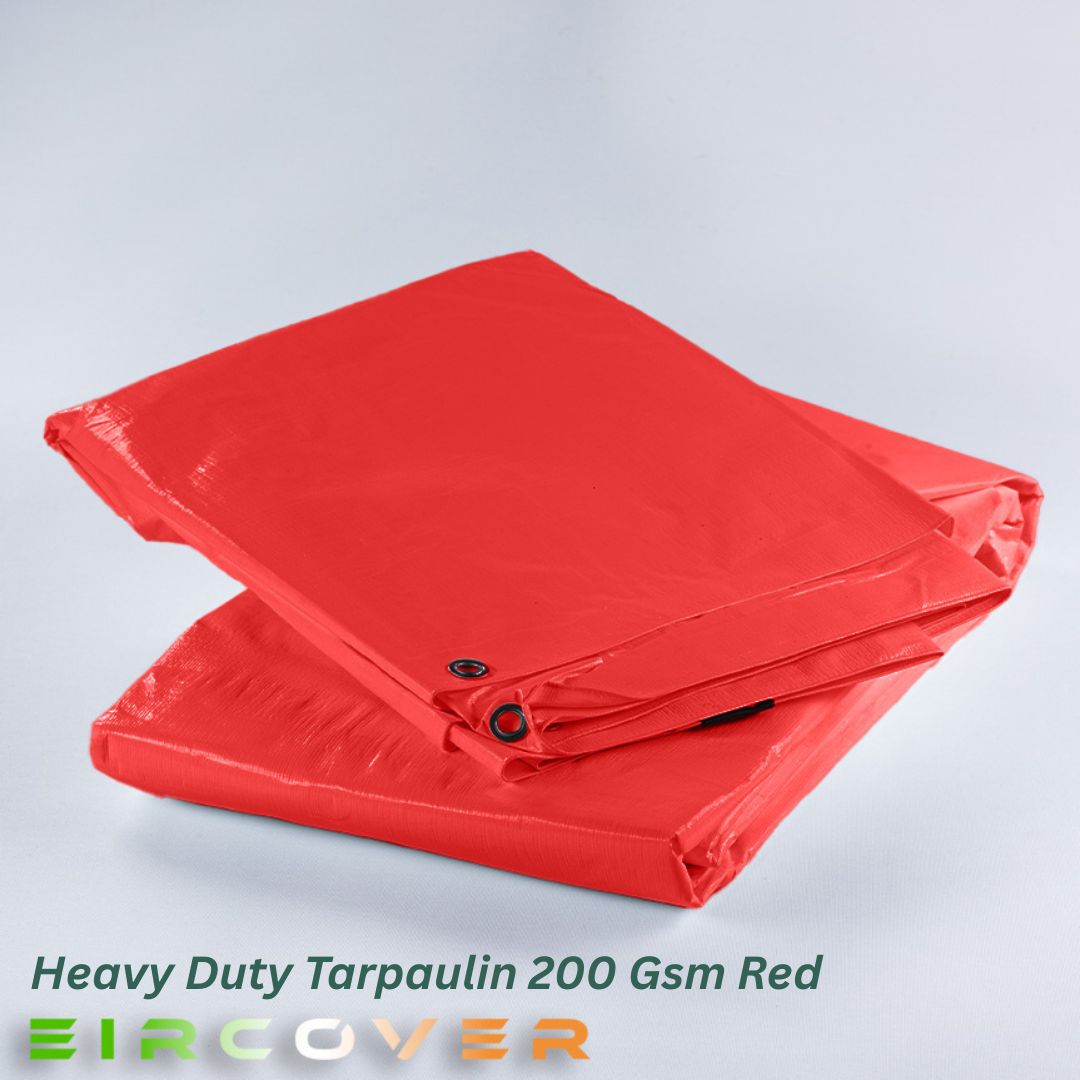
Tarpaulins create a waterproof barrier that keeps materials dry while they are stored outdoors or awaiting installation. Tools and machinery also benefit from cover, helping prevent rust, electrical damage, and unnecessary wear.
Keeping materials protected reduces waste, saves money, and helps keep projects on schedule.
Improving On Site Safety
Safety is a major concern on any active building site. Wet surfaces, unsecured materials, and wind blown debris can all increase the risk of accidents.
Tarpaulins support safer working environments by:
- Reducing water buildup on walkways and work areas
- Preventing loose materials from being displaced by wind
- Acting as temporary barriers around hazardous zones
- Helping contain dust and debris during demolition or cutting
When properly secured, tarpaulins contribute to a cleaner and more controlled site.
Shielding Structures During Construction
During construction or renovation, parts of a building may remain exposed for extended periods. Roof openings, unfinished walls, and structural frames are particularly vulnerable to rain and wind.
Tarpaulins are often used to temporarily cover exposed areas, preventing water ingress and protecting internal spaces. This is especially useful during roofing work or when weather delays occur.
By keeping structures dry, tarpaulins help preserve the integrity of the build and reduce the risk of damp or mould issues later on.
Choosing the Right Tarpaulin for Construction Use
Not all tarpaulins are suitable for construction environments. When selecting a tarpaulin for site use, it is important to consider the following:
- Durability: Heavy duty material designed to withstand abrasion and repeated use
- Water resistance: Reliable protection against rain and moisture
- Size and coverage: Adequate coverage with overlap for full protection
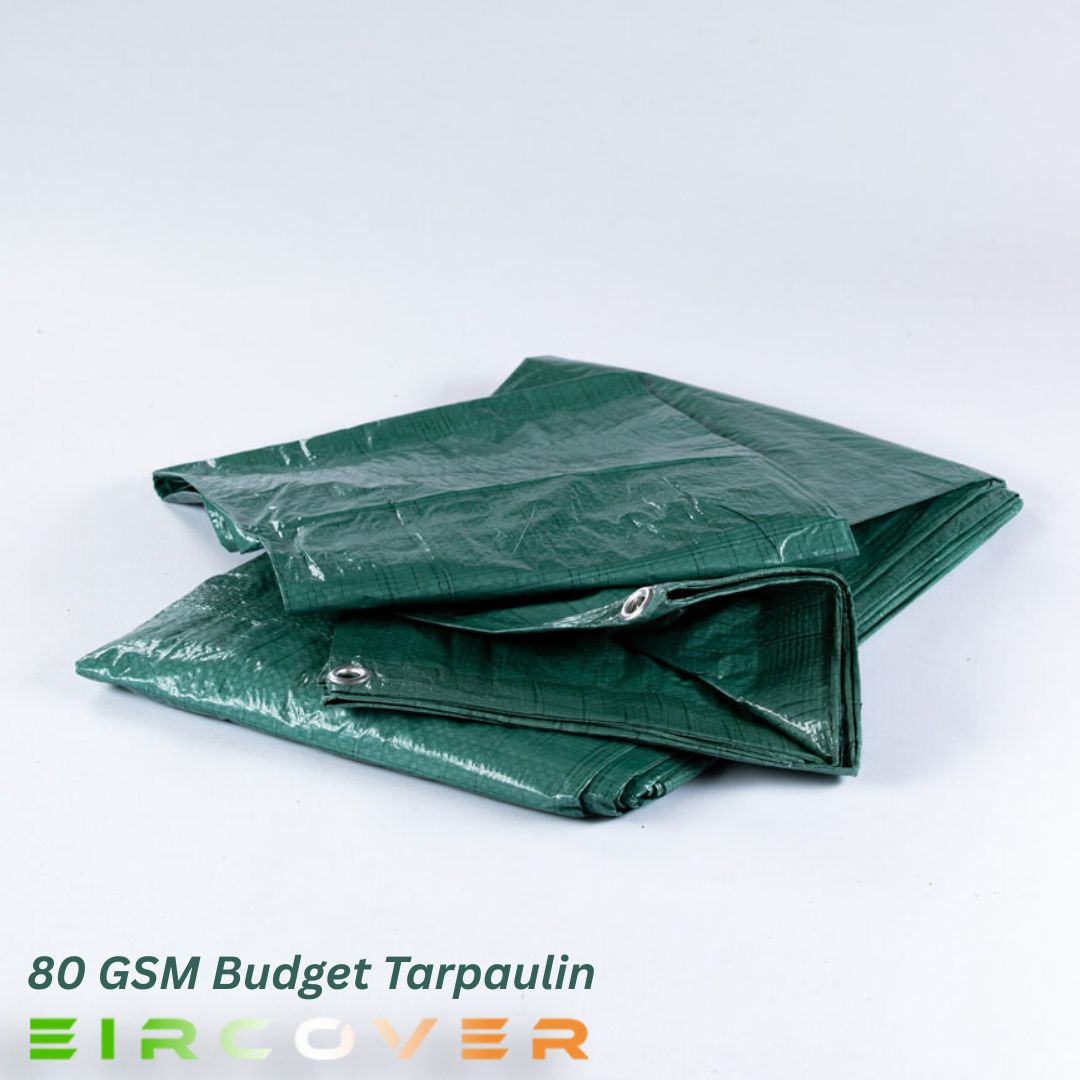
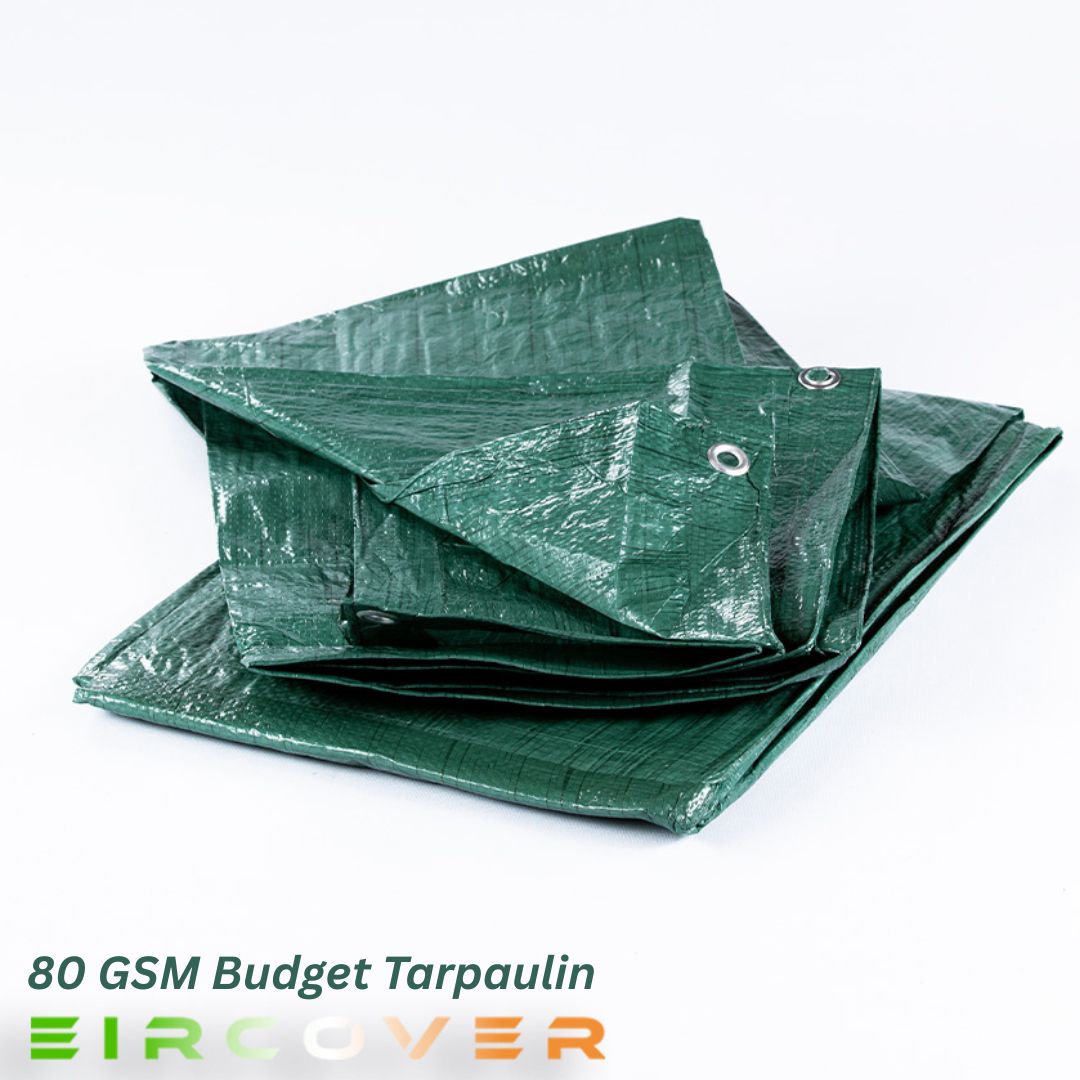
- Fixing points: Reinforced edges and strong eyelets for secure fastening
- Ease of handling: Manageable weight and flexibility for safe deployment
Choosing the right tarpaulin improves safety, efficiency, and long term performance on site.
Tarpaulin Products Suitable for Construction Sites
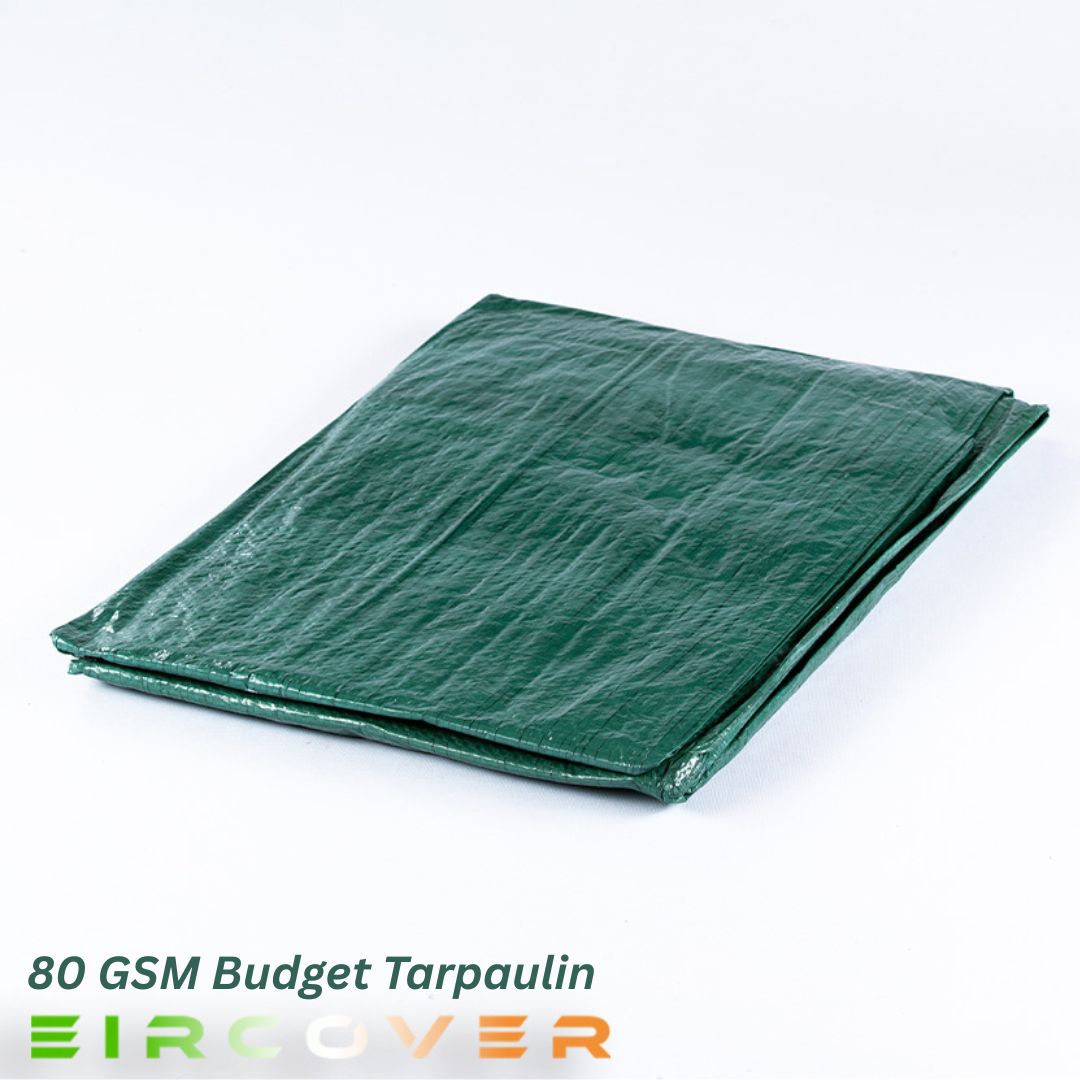
Eircover supplies a wide range of tarpaulins suitable for construction and trade environments. Different tarpaulin types can be used depending on the level of protection required.
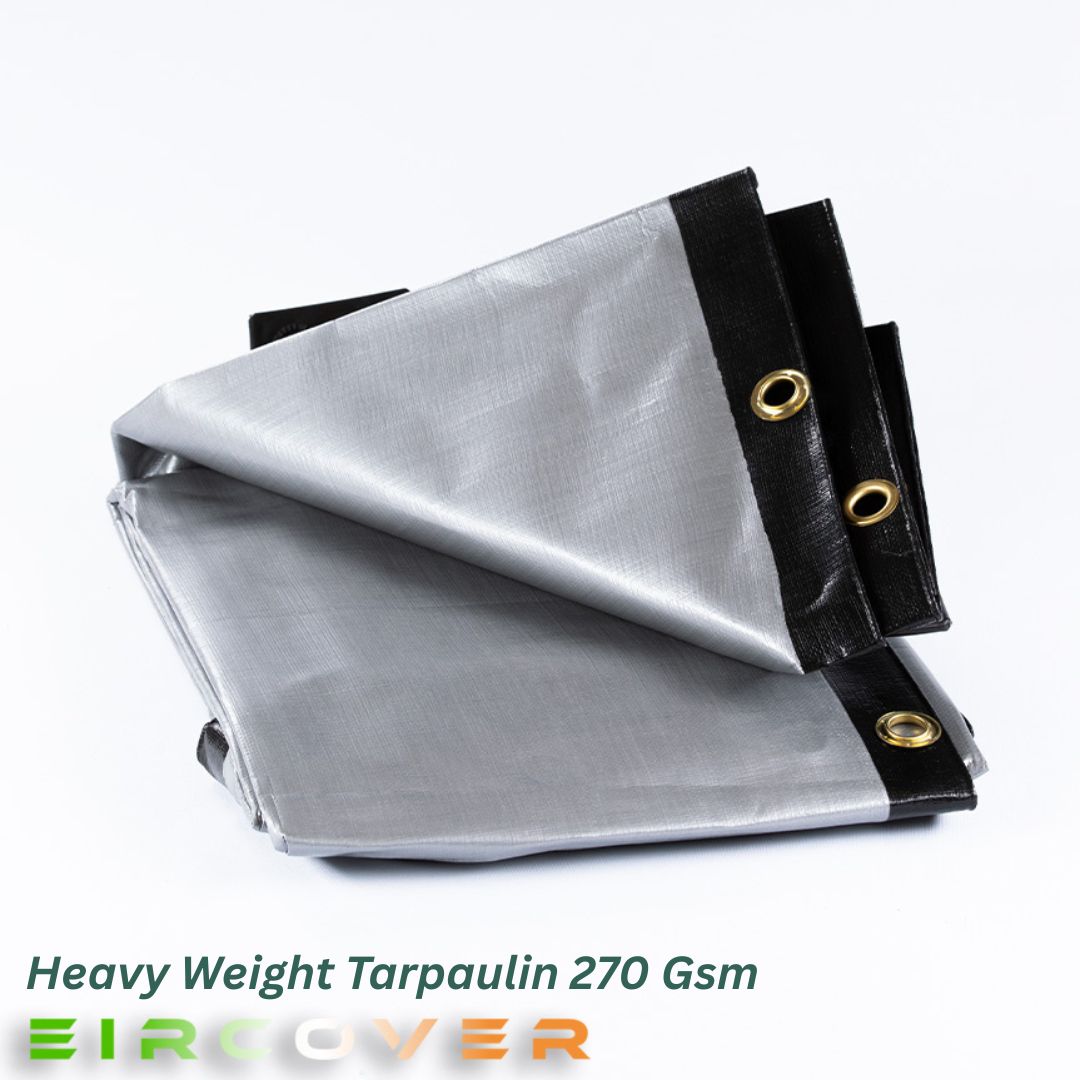
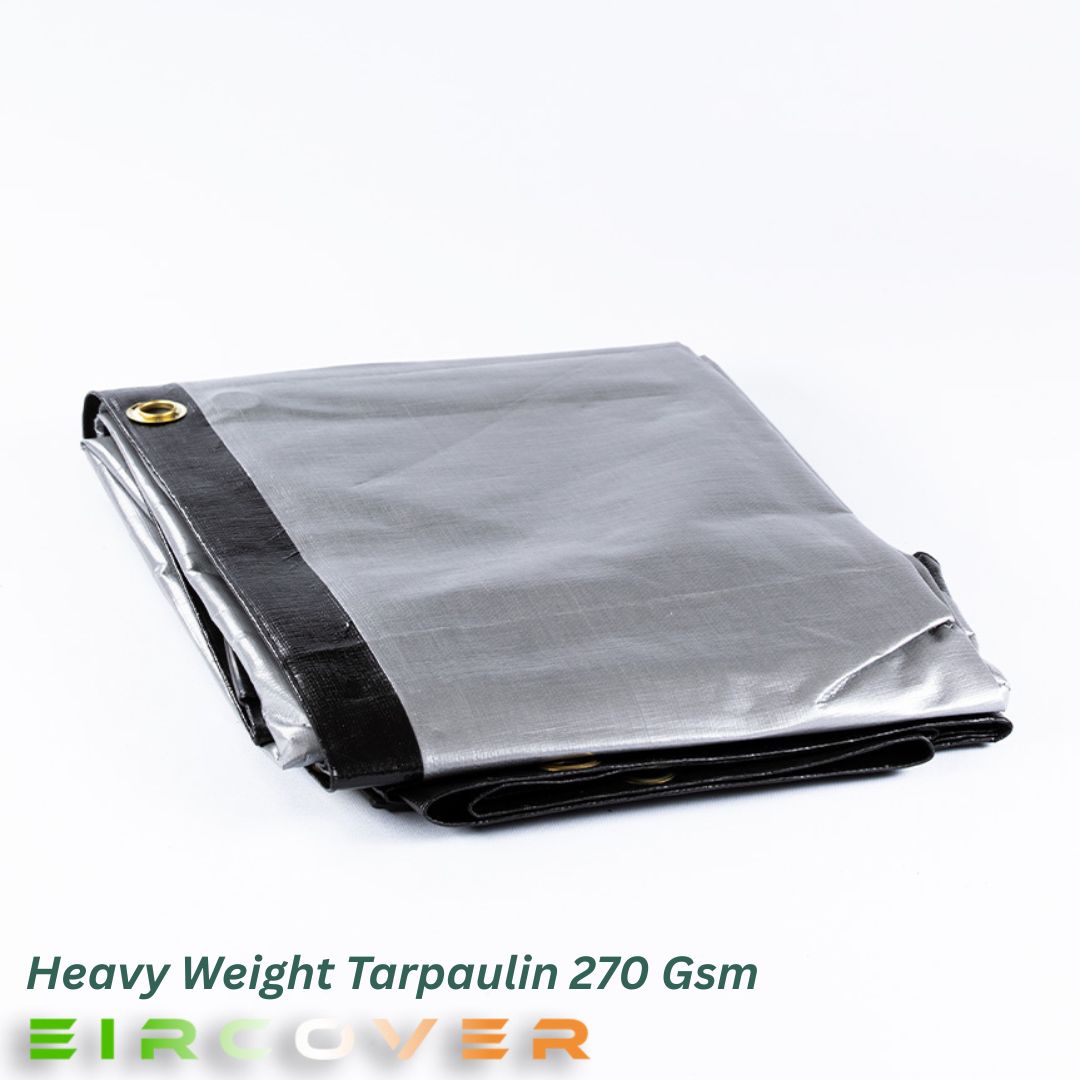
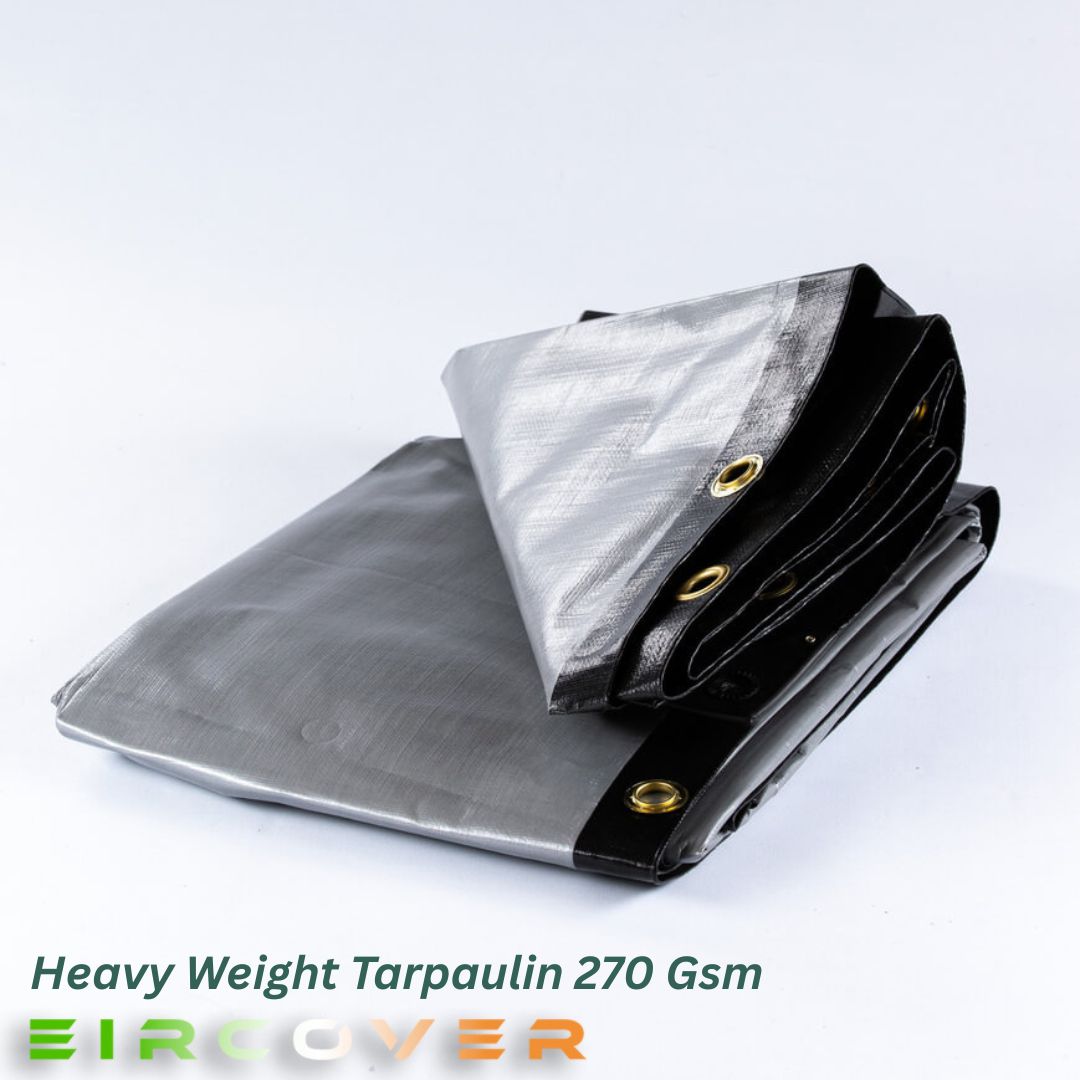
Heavy duty tarpaulins are ideal for covering building materials, machinery, and exposed structures. Medium weight tarpaulins are often used for temporary barriers, debris control, or short term coverage. Lighter tarpaulins can be useful for dust protection or internal site use.
Using the correct tarpaulin for each task helps maximise safety and prolong product lifespan.
Securing Tarpaulins Correctly
Even the strongest tarpaulin will not perform well if it is not secured properly. Loose or poorly fastened covers can become hazards, especially in windy conditions.
Tarpaulins should always be anchored using suitable ropes, bungee cords, or fixings. Reinforced eyelets should be used evenly to distribute tension, and fixings should be checked regularly as site conditions change.
Construction Safety and Weather Considerations
Construction sites in Ireland are frequently affected by changing weather conditions. According to Met Éireann, sudden rainfall and strong winds are common throughout the year, making temporary weather protection essential on active building sites.
https://www.met.ie/
Construction safety guidance from the Health and Safety Authority of Ireland highlights the importance of keeping work areas dry and materials secured to reduce slip hazards and site accidents.
https://www.hsa.ie/
Final Thoughts
Tarpaulins are a simple but essential tool on construction sites, offering protection, safety, and flexibility throughout every stage of a project. From safeguarding materials to improving working conditions, the right tarpaulin can make a significant difference to efficiency and risk management.
At Eircover, tarpaulins are designed with durability and practical use in mind, making them suitable for demanding construction environments across Ireland.
👉 Browse Eircover’s tarpaulin range here:
https://eircover.com/product-category/tarpaulins/